

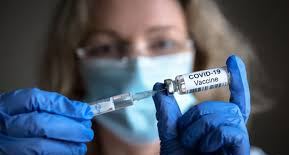
WASHINGTON D.C. – The U.S. Food and Drug Administration (FDA) now requires expanded warning labels for Pfizer/BioNTech and Moderna’s COVID-19 vaccines to include more detailed information about the rare risk of heart inflammation. The updated labels will highlight the highest risk for males aged 16 to 25.
Previously, vaccine labels warned about myocarditis (inflammation of the heart muscle) and pericarditis (inflammation of the heart lining) as rare but possible side effects. The new labels refine this warning to a specific age group.
Despite these updates, research consistently shows that mRNA COVID-19 vaccines are safe and effective, with millions receiving them without serious incidents. Studies have also indicated that COVID-19 infection itself carries a higher risk of myocarditis or pericarditis than the vaccine. The CDC reported a statistically significant, though rare, increased risk of myocarditis with vaccinations from 2020 to 2022, but noted no increased risk in subsequent years, with acute cases typically resolving quickly.
According to analysis of commercial health insurance claims data cited by the FDA, there were eight cases of myocarditis and/or pericarditis per million vaccine doses given to individuals aged 6 months through 64 years. This rate increased to approximately 38 cases per million doses for males aged 16 through 25 within seven days of vaccination.
A U.S. Department of Health and Human Services (HHS) spokesperson stated the label update is a move towards “radical transparency.” The vaccines continue to be monitored for effectiveness and safety.
The FDA has also recently announced changes to the type of evidence required for approving updated COVID-19 shots, which may limit eligibility for these shots this fall to adults 65 and older and individuals with underlying conditions. Officials are seeking more placebo-controlled trials, particularly for adults aged 50 to 64, before recommending shots for other groups, citing insufficient evidence of clinical benefit for healthy children and adults from regular COVID-19 vaccinations.