


INDIANA– Federal health officials are sounding the alarm on a dangerous and escalating health trend involving products containing tianeptine, a substance readily available in convenience stores and gas stations, often dubbed “gas station heroin.”

In a statement released by Martin A. Makary, M.D., M.P.H., Commissioner of Food and Drugs, he urges immediate attention to the increasing number of adverse events, including death, linked to these unregulated products, particularly among young people.
Tianeptine, while licensed as an atypical antidepressant in some countries, is not approved by the FDA for any use in the United States. Despite this, it is being marketed as a “research chemical,” a “nootropic” cognitive enhancer, or a dietary supplement and sold under names like Tianaa, Zaza, Neptune’s Fix, Pegasus, and TD Red. These products are easily accessible at convenience stores, gas stations, vape shops, and online retailers.
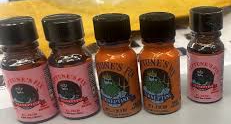
Commissioner Makary expressed grave concern over the availability of tianeptine products, especially to the nation’s youth, drawing parallels to the delayed recognition of past public health crises like opioid abuse and vaping addiction. He emphasized the critical need for proactive understanding and addressing the dangers posed by tianeptine.
Tianeptine’s pharmacological profile includes activity as a full mu- and weak delta-opioid receptor agonist, which explains its potential for misuse and addiction. While typical antidepressant doses in other countries are around 12.5 mg three times daily, case reports in the U.S. medical literature document consumers ingesting drastically higher doses, ranging from 50 mg to a staggering 10,000 mg per day.
The FDA has already taken steps to combat the proliferation of these dangerous products, including issuing consumer warnings, sending warning letters to distributors, and placing tianeptine on import alert. However, Commissioner Makary stressed the urgency for broader awareness and dissemination of information regarding the significant risks associated with tianeptine use.
Adverse events reported from tianeptine ingestion are severe and include agitation, coma, confusion, death, drowsiness, hypertension, nausea, respiratory depression, sweating, tachycardia, and vomiting. Notably, tianeptine may not be detectable in routine drug screening panels, complicating diagnosis and treatment.
In 2024, a cluster of illnesses in New Jersey linked to “Neptune’s Fix,” which contained both tianeptine and synthetic cannabinoid receptor agonists, resulted in death, hypotension, prolonged QT interval, seizure, and tachycardia, further highlighting the extreme danger of these products.
The FDA is urging health care professionals to advise patients against using any products containing tianeptine and to consider evidence-based treatment options for conditions like opioid use disorder, depression, anxiety, or pain. They are also encouraged to educate patients about overdose reversal medications like naloxone nasal spray.
Healthcare professionals who suspect a patient is experiencing an adverse event from a tianeptine-containing product are advised to contact the Poison Help Line at 1-800-222-1222 for guidance and to report such incidents to the FDA via the MedWatch website or by calling 1-888-INFO-FDA (1-888-463-6332). Detailed information about the product, including labels and purchase location, is crucial for investigations.
The FDA has also provided an educational article, “Tianeptine Products Linked to Serious Harm, Overdoses, Death,” to help inform the public about this growing threat.

