

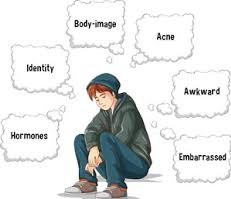
INDIANA – Adolescence is a time often marked by mood swings, intense emotions, and confusion. Stress, anxiety, and even depression can feel like constant companions. Anyone who has lived with, taught, or even briefly interacted with a teenager knows that something powerful is happening beneath the surface, and it’s far more than just “attitude.”

Teenagers are navigating a complex mix of hormonal changes and rapid development, all while trying to understand themselves and the world around them. Even when it may seem like they’re not trying, they are often doing the best they can to keep up.
These changes are needed for development and growth, not just physically, but emotionally. Hormones act as chemical messengers, sending signals throughout the body and brain. At times, those messages can feel contradictory, blurring the lines between “grow stronger” and “feel deeply uncertain.”
While hormones are doing exactly what they’re meant to do, they can also create turbulence in a teen’s mood. During adolescence, it’s as if the brain turns the hormone faucet on full blast, and sometimes the handle comes off entirely. The result isn’t a problem to fix, but a perfectly normal teen who often feels out of control.
During adolescence, a teen’s brain is reshaped, with neurons and synapses constantly reorganizing. Some connections are strengthened while others are pruned away to make the system more efficient. This helps explain why a teen’s decision-making can look so different from an adult’s. Their brains are still under construction, especially in areas responsible for judgment, impulse control, and long-term thinking.
Puberty triggers the release of estrogen, progesterone, and testosterone, the sex hormones that drive the visible changes we often focus on, like growth spurts, voice changes, acne, and body development. What’s discussed far less is how these same hormones hijack emotions, decision-making, sleep patterns, and self-esteem. When adults understand this fuller picture, it becomes much easier to support teens as they navigate the challenges of everyday life.
If you’ve seen the movie Inside Out, you’ve already caught a glimpse of how a young brain adapts to change. In real life, the limbic system – the part of the brain that drives emotions – develops earlier than the prefrontal cortex, which is responsible for impulse control, planning, and logical thinking. Teens often feel things deeply and intensely before they can fully reason through those feelings. It’s like having a racecar engine paired with bicycle brakes. Hormones add even more fuel to the engine, and suddenly everything can feel loud, fast, and overwhelming.
This is why a teen can go from laughing to sobbing in a matter of minutes. It’s why a missing hoodie can feel like a full-blown crisis, and why “I’m fine” so often means the opposite. Hormones don’t just influence emotions; they amplify them, making joy feel euphoric and disappointment feel overwhelming. When adults respond with phrases like “you’re overreacting,” they miss the mark. From a teen’s perspective, those feelings are very real and deeply felt. Kids need guidance and support in these moments.
Other common changes include risk-taking, poor impulse control, pushing boundaries, and shifts in sleep patterns. Hormones also influence how teens see themselves and how they believe others see them. Body changes can cause intense self-consciousness. A single comment about appearance can echo for years. Hormonal shifts also interact with mental health, sometimes intensifying anxiety, depression, or irritability. For teens already navigating trauma, stress, or unstable environments, hormones can magnify everything they’re carrying.
So, what helps? First, adults need to pause and remember that this phase is temporary, even when it feels endless. Validation is important. Saying “that sounds really hard” goes further than “you’ll get over it.” Consistent boundaries, when paired with genuine empathy, create a sense of safety. Teens still need structure, even when they loudly insist that they don’t. This is where many parents struggle: finding the balance between firmness and understanding. A helpful place to start is by asking, “What are my boundaries? Am I responding with empathy to what they’re experiencing?”
Education is powerful. Teens deserve to know what’s happening with their bodies, and knowing that hormones are shaping their reactions can be incredibly empowering. Humor can help, too. Try something like, “Your brain is running a software update right now, and it’s a little glitchy.” Teens get that.
Hormones don’t make teenagers impossible; rather, they make them human while navigating one of the most confusing and tender stages of life. Beneath the mood swings, eye rolls, and dramatic sighs are young people trying to understand who they are while their bodies rewrite the rules almost daily. They’re not giving us a hard time – they’re having a hard time. And honestly? Considering everything they’re juggling, they’re doing remarkably well.

Chasidy Lambert, MSW, LSW, is a Youth First Mental Health Professional at Castle High School in Warrick County. Youth First, Inc., is a nonprofit dedicated to strengthening youth and families. Youth First provides over 100 highly trained mental health professionals (primarily master’s level social workers), prevention programs, parent engagement coordinators, and bilingual support personnel to 130 schools across 14 Indiana counties. Over 55,000 youth and families each year are served by Youth First’s school-based social work and community programs that promote mental health, prevent substance misuse, and maximize student success. To learn more about Youth First, visit youthfirstinc.org or call 812-421-8336.

