

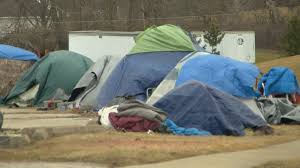
INDIANA — Cities and towns across Indiana are preparing for a major shift in how they manage unsheltered populations after Governor Mike Braun signed a controversial statewide ban on public camping into law on March 5.
The legislation, Senate Enrolled Act 285, marks a significant victory for Indiana Republicans who have spent years seeking ways to address a sharp rise in homelessness. The policy is set to take effect on July 1, 2026.
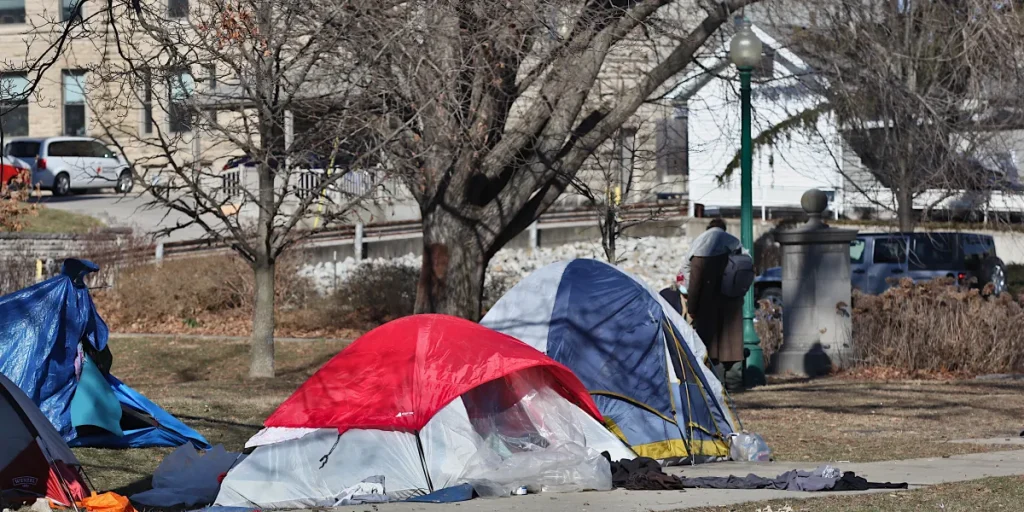
Under the new law, long-term camping on public property is strictly prohibited unless specifically authorized by local ordinances. The enforcement process follows a specific timeline:
- Police Warning: Individuals found sleeping outdoors must be issued a formal warning.
- 48-Hour Window: Once warned, individuals have 48 hours to vacate the area.
- Criminal Charges: Violators face a Class C misdemeanor, which carries a fine of up to $500 or a maximum of 60 days in jail.
Governor Braun, who championed the bill after a similar version failed last year, stated that the goal is to “connect homeless Hoosiers with social service networks to help them break addiction, stay safe, and get back on their feet.”

The law comes as unsheltered homelessness in Indiana has more than doubled between 2019 and 2025. Proponents argue that stricter policing is a necessary “tough love” approach to nudge people toward services.
However, advocates for the unhoused express deep concern. With more than 1,500 Hoosiers currently sleeping without shelter, critics argue the state lacks the emergency beds and affordable housing required to accommodate those being displaced. They fear criminal records will only make it harder for the unhoused to secure future jobs and housing.
Protections and Exceptions
The law includes several provisions aimed at balancing enforcement with humanitarian concerns:
- Service Referrals: Police must provide information on local shelters or services when issuing a warning.
- Medical Assessment: Officers must first determine if an individual requires emergency medical or mental health transport.
- Legal Defenses: A person cannot be prosecuted if there is a documented shortage of shelter beds within five miles of the camp, or if the individual was recently released from an involuntary mental health commitment.
While local governments cannot pass “sanctuary” policies that discourage enforcement, they are permitted to create authorized camping zones. These designated areas often include security and sanitation, a model already utilized in cities like Denver and Portland.
Indiana now joins Kentucky, Florida, Georgia, Oklahoma, Tennessee, and Texas as states with Republican-led legislatures that have enacted statewide bans. This trend accelerated following a 2024 U.S. Supreme Court ruling that affirmed the right of municipalities to prohibit living on public property.
To monitor the impact of the policy, the law requires local police departments to report annual data on citations and arrests to the state starting in 2027.

