

WASHINGTON, D.C. – The Social Security Administration (SSA) and its Office of the Inspector General (OIG) are partnering to fight back against Social Security imposter scams for the seventh annual “Slam the Scam” Day on March 5, 2026. The annual event, recognized as part of the Federal Trade Commission’s (FTC) National Consumer Protection Week, raises public awareness on the persistent and growing threat of Social Security impersonation scams that cost Americans hundreds of millions of dollars each year.
Government imposter scams – in which criminals falsely claim to represent SSA or other federal agencies to steal money or personal information – are among the most prevalent fraud schemes in the country. In 2025, the FTC received more than 330,000 complaints involving government impersonation, a 25 percent increase over the prior year. SSA remains one of the most frequently targeted agencies. In response, SSA is taking action through extensive outreach and investigative initiatives.
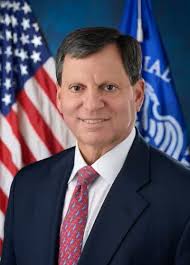
“All scams – especially imitations of the Social Security Administration – put Americans’ identity and financial security at risk,” said Commissioner Frank J. Bisignano. “National Slam the Scam Day is an important initiative in confronting the fraudsters who viciously target America’s seniors and most vulnerable. I encourage all Americans to remain vigilant, today and every day, as we work to spread awareness about the danger of scams.”
Criminals use sophisticated tactics to target potential victims into disclosing personal and financial information. Be skeptical and recognize the common red flags. Typically, they use these P’s – Pretend, Prize or Problem, Pressure, and Payment. For example, scammers pretend they are from Social Security in phone calls, texts, emails, websites, or direct messages on social media, claiming there is an issue with the person’s Social Security benefits or Social Security number. The scammer’s caller ID may be spoofed to look like a legitimate government number. Scammers may also send fake documents to pressure people into complying with demands for information or money. Other common tactics include citing “badge numbers,” using fraudulent Social Security letterhead, and creating imposter social media pages to target individuals for payment or personal information.
“Scammers who impersonate the Social Security Administration prey on fear and a false sense of urgency to steal from hardworking Americans, causing real financial harm to individuals and families,” said Michelle L. Anderson, Assistant Inspector General for Audit as First Assistant performing the duties of the Inspector General. “Awareness is one of the strongest tools we have – we encourage consumers to take an intentional pause when they get a message they weren’t expecting, guard their wallet, verify, and report suspected scams – knowing the red flags can prevent devastating financial losses.”
The Social Security Administration will never tell you that your Social Security number is suspended; contact you to demand an immediate payment; threaten you with arrest; ask for your credit or debit card numbers over the phone; request gift cards or cash; or promise a Social Security benefit approval or increase in exchange for information or money.
Social Security employees do contact the public by telephone for business purposes. Ordinarily, the agency calls people who have recently applied for a Social Security benefit, are already receiving payments and require an update to their record, or have requested a phone call from the agency. If there is a problem with a person’s Social Security number or record, Social Security will typically mail a letter.
To report a scam attempt, go to oig.ssa.gov. For more information, please visit www.ssa.gov/scam and www.ssa.gov/fraud.

