


INDIANA – Increasingly, schools across the country are incorporating therapy animals, particularly dogs, to help students feel calmer, more focused, and better prepared to learn. These programs, known as animal-assisted interventions (AAIs), are utilized in elementary and middle schools to support students in various ways. Research shows that spending time with trained animals can help children improve their emotional regulation, behavior, and even their reading skills.
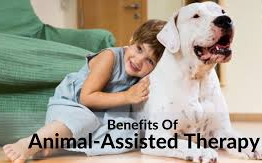
Researchers interviewed school staff in San Antonio, Texas, during a study conducted in 2022 to learn how therapy animals were helping students. Teachers and counselors said they noticed big improvements in student behavior. Many children became less aggressive and more willing to talk about their feelings. Others who struggled with anxiety or trauma began to feel safer and more comfortable in school. Some staff said students even looked forward to coming to school just to see the therapy dog. While there were some concerns about safety, allergies, and planning, most teachers said the program was worth it.
Animal-assisted reading programs are also becoming more popular in younger grades. These programs let children read aloud to a calm, nonjudgmental dog. This helps them feel more confident and less afraid of making mistakes. A study published in 2014 concluded that students who read to dogs for ten weeks showed major improvements in reading speed, accuracy, and understanding, more than those who read to adults or stuffed animals. Even better, the progress continued for weeks after the program ended. Children stayed more engaged in the classroom and enjoyed reading.
Animal-assisted programs also help students with autism. A 2020 review in the journal Autism Research looked at 16 different studies involving nearly 500 children with autism. The review found that spending time with therapy animals helped many of these students improve their communication and social skills. Research shows that therapy animals can also be a great support in special education classrooms or in one-on-one sessions.
Therapy animals can help in many ways at school. They can sit quietly with a child during a stressful moment, listen to a student practice reading, or visit classrooms to create a peaceful mood. Schools that use trained animals and follow safety guidelines can create new opportunities for learning and healing.
These programs help all kinds of students, from those with learning difficulties to those who just need a little extra emotional support. In a time when concerns about student mental health and classroom stress are at an all-time high, animal-assisted interventions are proving to be more than just a feel-good idea. They are real, research-backed tools that help kids succeed both in and out of the classroom.

Callie Sanders, MSW, LSW, is a Youth First Mental Health Professional at Fort Branch Community School, Haubstadt Community School, and Owensville Community School in Gibson County. Youth First, Inc., is a nonprofit dedicated to strengthening youth and families. Youth First provides over 100 highly trained mental health professionals (primarily master’s level social workers), prevention programs, parent engagement coordinators, and bilingual support personnel to 130 schools across 14 Indiana counties. Over 55,000 youth and families each year are served by Youth First’s school-based social work and community programs that promote mental health, prevent substance misuse, and maximize student success. To learn more about Youth First, visit youthfirstinc.org or call 812-421-8336.

