

INDIANA – After eight months of stakeholder feedback, the Indiana State Board of Education (SBOE) today unanimously approved the final K-12 accountability rule, which focuses on the future preparedness of each individual student.
This student-centered model prioritizes academic proficiency for all students, while ensuring the range of knowledge, skills, and experiences that matter for future success are transparently reflected in a school’s accountability grade.
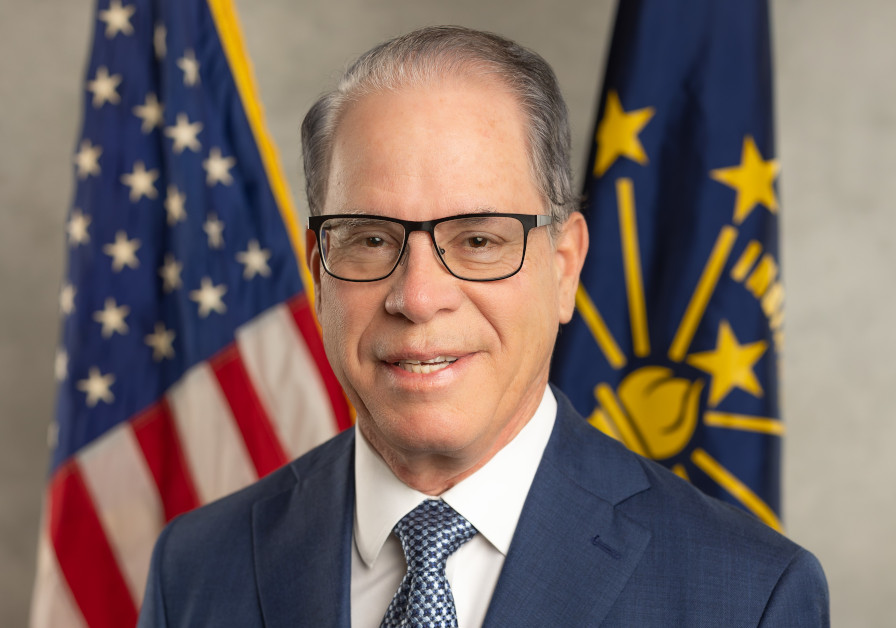
“After nearly a decade without updated school letter grades, Indiana now has a stronger, clearer A-F accountability model that focuses on both the knowledge and real-world skills that prepare students for the future,” said Governor Mike Braun. “As we implement this new model, our priority is to give parents transparent, easy-to-understand information about how their child’s school is supporting student success. At the same time, this model encourages schools to focus on what matters most: ensuring every student is adequately prepared for college, career, or military service.”
An initial draft of the K-12 accountability rule was first presented to the State Board of Education (SBOE) in June, kicking off the first of multiple public comment periods designed to enhance the proposed plan. During this time, the Indiana Department of Education (IDOE) and SBOE received over 800 online comments and held numerous focus group discussions, in addition to three in-person public hearings. Stakeholder feedback consistently emphasized the following themes:
- Broad support for elevating a variety of knowledge, skills, and experiences that contribute to a student’s future success, including additional indicators aligned to specific pathways;
- The importance of prioritizing proficiency while encouraging improvement for all students through academic growth and skill development; and
- The need for a transparent and simple accountability model that is meaningful to parents/families and provides schools with a clear roadmap for continuous improvement

“When we set out to design a new way to measure success in our schools, our primary objective was simple: keep every student front and center,” said Dr. Katie Jenner, Indiana Secretary of Education. “Thanks to the partnership of educators, parents and families, and other stakeholders across the state, we now have a clear, student‑focused view of where our schools are and where we’re headed—and together, we will continue to drive improvement for every community, school, and most importantly, each student.”
The new accountability model is strategically aligned with Indiana’s Profile of a Graduate, which was developed based on extensive input about what Hoosiers value most. This Portrait of a Graduate is also the framework for Indiana’s Graduates Prepared to Succeed (GPS) dashboard, which helps elevate and continuously improve upon the good work happening in schools by measuring multiple indicators across five key characteristics:
- Academic Mastery
- Career & Postsecondary Readiness: Credentials & Experiences
- Communication & Collaboration
- Work Ethic
- Civic, Financial, & Digital Literacy
Based on these characteristics, the accountability model elevates both traditional academic outcomes and skill development. The model measures success at key milestones in a student’s K-12 journey, including kindergarten through grade three, grades four through eight, grades nine and 10, and grades 11 and 12. At each of these milestones, stakeholders have helped to identify multiple ways that students can demonstrate success, including both test scores and skills and experiences.
As students progress through their K-12 education, the number of ways to demonstrate success naturally grows as well. The model prioritizes reading and math fundamentals, as well as opportunities for skill development, such as work-based learning and earning credentials of value in high school. This approach encourages schools to focus on improvement for all students, at all levels of proficiency, and ensures that each student’s knowledge, skills, and experiences are transparently reflected in a school’s accountability grade.
Learning from other states that have updated their accountability systems, Indiana will implement this new model gradually and thoughtfully. To ensure both short-term and long-term success, the transition period will allow schools, families, and communities to clearly see how performance is measured, where they are starting today, and what it takes to improve for students.

“Indiana’s new accountability model, approved today by the State Board of Education, sets a clear standard for students and schools statewide,” said State Representative Bob Behning, Chairman of the House Education Committee. “For the first time since before the pandemic, Indiana families will once again have access to meaningful information about how schools are supporting student learning through a model that is simple and aligned to what matters most for long-term outcomes.”
Following approval by the SBOE, the rule must be reviewed by the Office of the Attorney General. The new accountability model will become law when it is signed by Governor Mike Braun, thus concluding the rulemaking process.
“Since the passage of House Enrolled Act 1498 in 2025, the Indiana Department of Education and State Board of Education have worked closely with educators, parents, and other stakeholders across Indiana to build an A-F accountability model that better reflects the range of knowledge and skills that students need to be successful in life and in their career,” said State Senator Jeff Raatz, Chairman of the Senate Education and Career Development Committee. “The new model approved today by the State Board aligns with the framework we put forth in law and is a strong move toward greater transparency, consistent expectations, and continuous school improvement.”
Indiana’s new K-12 accountability model also gained the support of the following organizations representing school leaders and educators across the state: the Indiana Association of Public School Superintendents, the Indiana Association of School Principals, the Indiana Association of School Business Officials, and Teach Plus Indiana.
To learn more about the final accountability rule and the future of K-12 school accountability in Indiana, click here.

