

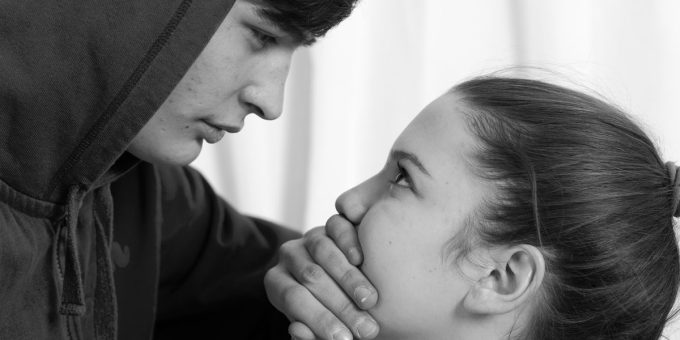
INDIANA— As Indiana recognizes Teen Dating Violence Awareness Month this February, child advocacy groups and state officials are issuing an urgent call to action. New data reveals a troubling “uptick” in abuse cases among Hoosier youth, a trend authorities directly link to the digital shift following the COVID-19 pandemic.
While physical harm is a primary concern, advocates warn that modern teen dating violence often takes the form of digital harassment and emotional coercion, frequently occurring through social media platforms and messaging apps.
Since 2020, Indiana officials have noted that the lines between a teen’s social life and their digital life have blurred. This has led to a rise in “digital dating abuse,” which includes:
- Digital Monitoring: Pressuring a partner for passwords or tracking their location via GPS.
- Non-Consensual Sharing: The distribution or threat of sharing private images.
- Constant Connectivity: Harassment via text or social media comments that never “shuts off” after school hours.
The consequences of early relationship trauma are severe and can last a lifetime. Medical evidence indicates that childhood trauma, often categorized as Adverse Childhood Experiences (ACEs), has a cumulative effect.

Research shows that individuals who experience six or more traumatic incidents during childhood are statistically likely to die 20 years earlier than those who do not.
Common outcomes for victims of teen dating violence include:
- Academic Decline: Significant under-performance in school.
- Substance Abuse: Increased reliance on drugs and alcohol as coping mechanisms.
- Health Crisis: Higher rates of PTSD, anxiety, and depression.
- Future Risks: An increased likelihood of teen pregnancy and entering abusive cycles in adulthood.
Indiana law (IC 20-33-8-13.5) requires schools to have policies prohibiting bullying and harassment, but many advocates believe prevention must start at home. The Indiana Department of Education and the Indiana Coalition Against Domestic Violence (ICADV) provide curricula for “Healthy Relationship” training in middle and high schools.
Warning Signs for Parents:
- Isolation: The teen stops spending time with friends or family to be exclusively with their partner.
- Mood Changes: Unexplained irritability or sudden anxiety when checking their phone.
- Physical Marks: Bruises or scratches that are dismissed as “accidents.”
- Extreme Jealousy: The partner frequently accuses the teen of “cheating” or demands constant check-ins.
State officials urge parents to begin conversations about healthy boundaries early—well before a child begins their first relationship.
If you suspect a child is being abused, contact Child Protective Services (CPS) or local law enforcement immediately. Hoosiers can call 2-1-1 to find local support services and shelters. Teens can text “LOVEIS” to 22522 to speak with a trained peer advocate for confidential support.
For those seeking support or more information regarding domestic violence and advocacy in the Bedford area, there is a dedicated local resource available. RBR Alliance Victim Services provides critical support for individuals impacted by domestic and sexual violence. The organization is frequently recognized for its commitment to assisting victims through immediate crises and long-term recovery.

