

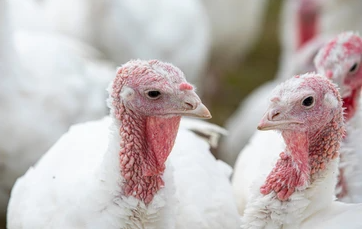
SULLIVAN COUNTY — The Indiana State Board of Animal Health (BOAH) confirmed Sunday that a commercial turkey flock in Sullivan County has tested positive for Highly Pathogenic Avian Influenza (HPAI), sparking immediate quarantine and surveillance measures across three southwestern Indiana counties.
The affected flock consists of 45,686 turkeys. This marks a significant expansion of the virus’s footprint in 2026, which has primarily impacted duck and egg-laying operations in Northern Indiana earlier this year.
To contain the spread of the highly contagious virus, BOAH has established two distinct zones around the infected site. These zones mandate strict movement permits for any poultry or poultry products.
- 10-Kilometer Control Area: Includes central portions of Sullivan County. All commercial flocks within this 6.2-mile radius must undergo weekly testing. Small hobby flocks are also subject to testing.
- 20-Kilometer Surveillance Zone: Extends into portions of Sullivan, Knox, and Greene counties.
Indiana is a national powerhouse in poultry production, ranking first in the U.S. for ducks, third for eggs, and fourth for turkeys. The latest detection follows a difficult period for the industry; since October 2025, over 900,000 birds have been lost to HPAI across the state.
While the virus is devastating for farmers and birds, health officials are emphasizing several key points for the public:
- Food Safety: HPAI does not pose a food safety risk. Poultry and eggs are safe to eat when handled properly and cooked to an internal temperature of 165°F.
- Public Health: The risk to the general public remains low. Human infections are extremely rare and typically only occur in people with prolonged, unprotected contact with infected birds.
- Wildlife Connection: The virus is often spread by migratory waterfowl. BOAH is currently working with the DNR to monitor wild bird populations near the Sullivan County site.
What Poultry Owners Should Do
State Veterinarian Kyle Shipman and BOAH officials are urging all bird owners—from large commercial operations to backyard hobbyists—to implement “Red Level” biosecurity measures:
- Enclose Flocks: Keep birds indoors or in screened-in areas to prevent contact with wild birds.
- Dedicated Gear: Use specific clothing and footwear when tending to birds; do not wear the same clothes to the feed store or a neighbor’s farm.
- Water Safety: Ensure poultry water comes from a treated source rather than ponds or streams where wild ducks may congregate.
- Report Signs: Watch for sudden death, lethargy, or a drop in egg production.
If you notice unusual illness or multiple deaths in your flock, call the USDA Healthy Birds Hotline at 1-866-536-7593 to be connected with a state veterinarian.

