


INDIANA – U.S. Senator Jim Banks (R-IN) is calling on his constituents to weigh in on the state of policing in America, asserting that effective representation in the nation’s capital begins with a direct line to the people of Indiana.
In a move to gauge public sentiment and bolster his legislative priorities, Banks released a call for feedback today centered on the challenges facing law enforcement. The Senator emphasized his long-standing belief that the most impactful policy ideas originate from Hoosier doorsteps rather than Washington hallways.
The initiative comes at a time when law enforcement agencies nationwide are grappling with recruitment shortages and shifting public perceptions. Banks, a vocal advocate for the blue, expressed concern over what he describes as an increasingly hostile environment for those in uniform.
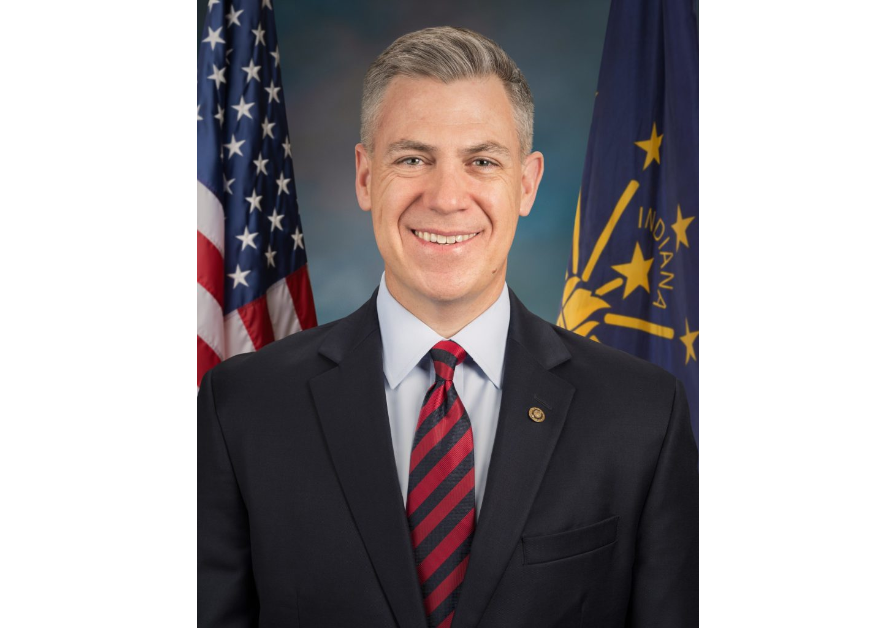
“Today, too many officers are being targeted, disrespected, and obstructed from doing their jobs,” Banks stated. “Hoosiers deserve leaders who listen—and act.”
The Senator’s office has released a streamlined digital poll, asking residents a straightforward question: “Do you stand with me in supporting law enforcement?” The survey offers two primary responses:
- Yes – I stand with our law enforcement officers.
- No – I am disappointed in our law enforcement.
This outreach isn’t just about data collection; it’s about signaling a policy stance. Banks intends to use the feedback to guide his ongoing work in the Senate, where he has consistently supported increased funding for police departments and legislation aimed at protecting first responders.
“Your feedback matters,” Banks told constituents. “It helps guide the work we’re doing to serve Hoosiers.”
The results of the survey are expected to inform the Senator’s upcoming legislative pushes regarding public safety and community security. Indiana residents are encouraged to participate and share their perspectives on the critical role law enforcement plays in their local communities.

