

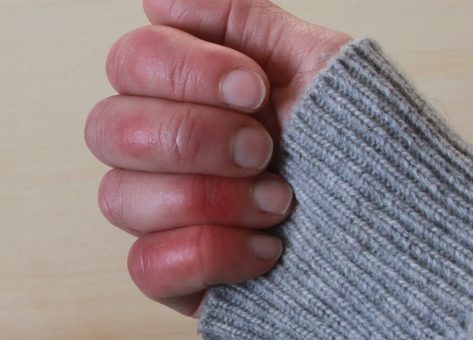
INDIANA— As a massive Arctic air mass blankets Indiana, state health officials are warning Hoosiers that frostbite and hypothermia aren’t the only cold-related dangers this weekend. Even in temperatures above freezing, a painful condition known as chilblains (or pernio) is becoming a growing concern for those exposed to the damp, winter air.
The National Weather Service has already warned of wind chills plummeting as low as -25°F in parts of the state, but medical experts emphasize that chilblains can strike at temperatures as high as 60°F if the air is sufficiently damp.
Chilblains are painful, itchy, and inflamed patches of skin that develop when small blood vessels constrict in response to cold. Unlike frostbite, which involves the actual freezing of tissue, chilblains are caused by an “abnormal blood vessel response.”
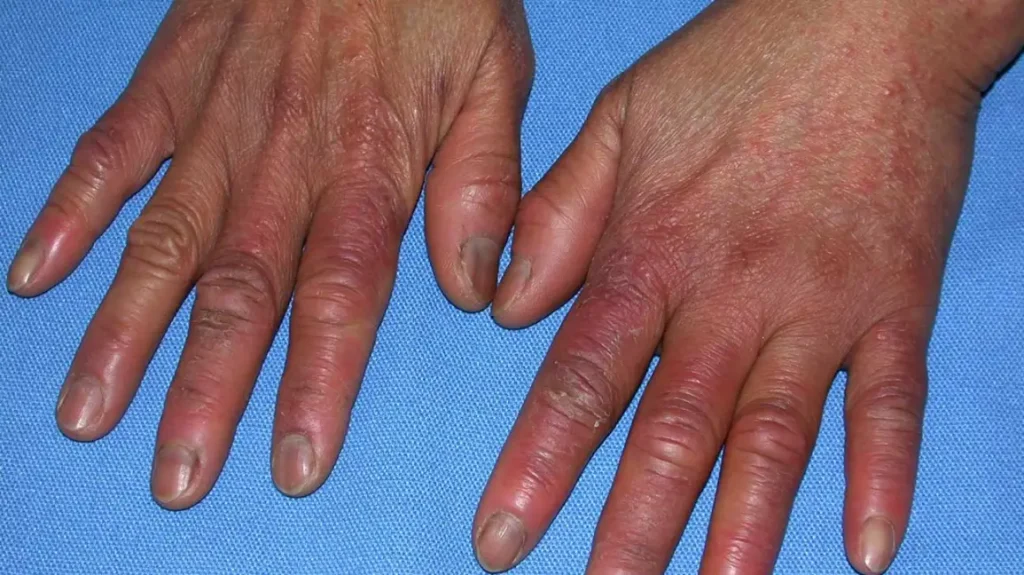
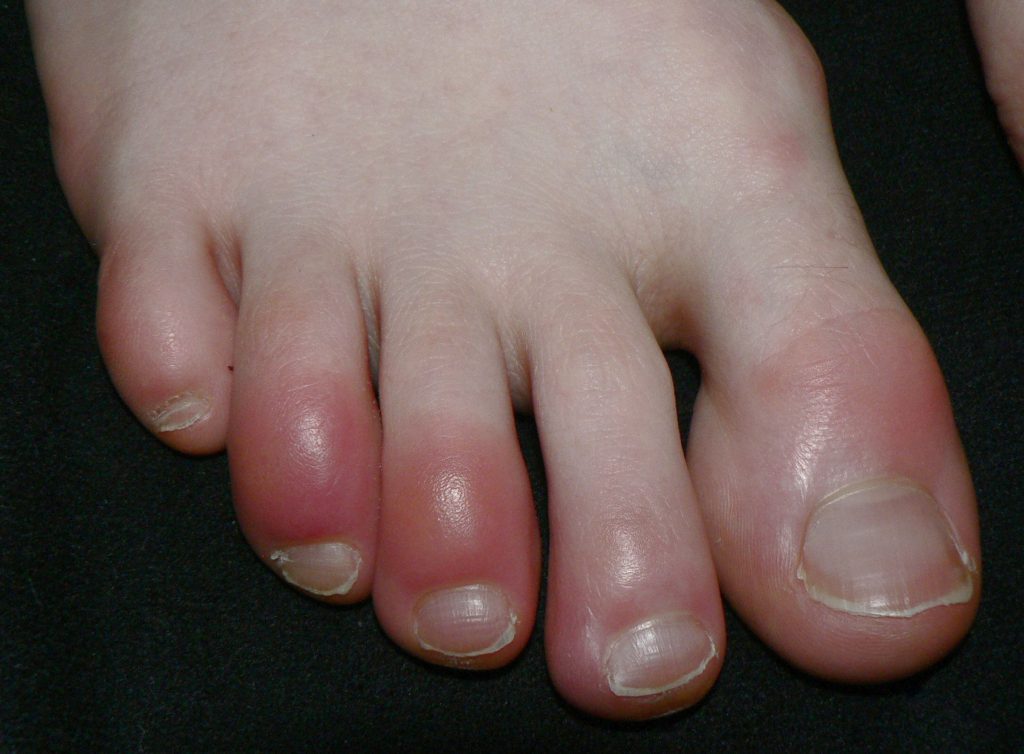
Common Symptoms:
- Red or purple swollen patches, usually on fingers, toes, ears, or the nose.
- Intense itching or a “burning” sensation.
- Possible blistering or sores in severe cases.
- Pain that often worsens when moving into a warm room.
One of the most common causes of chilblains is rewarming cold skin too quickly. When skin is exposed to cold and then suddenly placed near a heater or in hot water, small blood vessels can expand faster than the surrounding larger vessels can handle, causing blood to leak into nearby tissue.
“It’s agony,” reported one sufferer on social media, describing their toes as red and swollen. “Every step is agony as my toes rub against the inside of my shoes.”
While anyone can develop the condition, the Mayo Clinic and Johns Hopkins researchers note certain groups are more susceptible:
- Young women (typically ages 15 to 30).
- Individuals who are underweight.
- Those with Raynaud’s disease or previous COVID-19 infections.
- People living in cold, high-humidity regions like the Midwest.
How to Protect Yourself
With Indiana currently under a statewide disaster emergency, officials urge residents to stay indoors. If you must go out, follow these prevention tips:
- Bundle Up: Wear loose layers and moisture-wicking socks (merino wool is highly recommended).
- Avoid Tight Shoes: Don’t tie laces too tightly, as restricted circulation increases your risk.
- Rewarm Gradually: If you get cold, do not put your hands or feet directly on a radiator or in hot water. Use blankets or room-temperature air to warm up slowly.
- Keep Dry: Dampness is a primary trigger; change out of wet socks or gloves immediately.
Most cases of chilblains clear up on their own within two to three weeks. However, if symptoms persist, or if you notice signs of infection such as pus or a high fever, seek medical attention immediately.

