


INDIANA – Today, the Indiana Department of Homeland Security (IDHS) is releasing the full report of the findings of the PFAS Testing Pilot Program.
In 2023, the Indiana General Assembly appropriated $200,000 to the IDHS to establish a voluntary pilot program to determine if firefighters in Indiana have per- and polyfluoroalkyl substances (PFAS) in their blood. This program marks Indiana’s first step toward proactively assessing and addressing the occupational PFAS exposure risks faced by its first responders – specifically current and retired firefighters.
According to the National Institute of Standards and Technology, “PFAS, which are ubiquitous in manufactured products due to their oil- and water-resistant properties, do not break down easily and persist in our bodies and the environment, earning them the moniker of ‘forever chemicals.’ These suspected carcinogens have found their way into the bodies of most Americans. However, researchers have shown that firefighters are burdened by comparatively high levels of at least one type of PFAS.”
The U.S. Fire Administration states firefighters are at a higher risk due to exposure from protective gear, products of combustion, and some firefighter foams.
The program tested 316 firefighters from across Indiana (career, volunteer/combination, municipal, airport, and industrial departments) and paired blood testing with an exposure survey covering foam use, gear handling, station practices, incident tasks, and decontamination behaviors.
The report came back with five findings:
- PFAS levels may be elevated relative to the U.S. general population.
- Foam use shows a dose-response pattern.
- Decontamination of gear and self appears protective.
- Gear and station contact matter.
- Task patterns are consistent with incremental exposure.
The following recommendations were made:
- Advance future testing and research.
- Implement foam transition control, on-scene and post-incident decontamination, and establishment of separated clean gear and clean quarters with separate ventilation from contaminated gear.
- Implement a standardized biomonitoring program to monitor PFAS exposure.
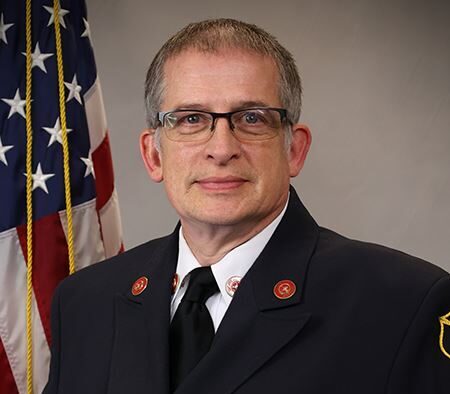
“Our first responders risk their lives every day to save Hoosiers in danger,” said Indiana State Fire Marshal Steve Jones. “January is Firefighter Cancer Awareness Month, and cancer remains the leading cause of line of duty deaths for firefighters . This study is an important first step towards ensuring we are taking care of the people who keep us safe.”
Indiana has already taken steps to address foam exposure by prohibiting the use of certain foam for training purposes, and IDHS, in partnership with the Indiana Department of Environmental Management, collected over 48,000 gallons of foam from fire departments and responsibly disposed of it.
Although this study could not identify the causal factors of elevated PFAS levels, it established a preliminary exposure baseline for Hoosier firefighters.
More information about the PFAS Testing Pilot Program can be found at the IDHS webpage, and both the executive summary can be read here and full report can be read here.

