

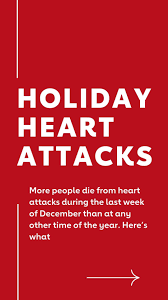
UNITED STATES – The American Heart Association (AHA) is issuing a stern warning to the public, urging increased awareness of deadly “holiday heart attacks.” Research consistently indicates that more cardiac deaths occur during the last week of December than at any other time of the year.
The phenomenon is attributed to a confluence of factors unique to the holiday season.
According to the AHA, several elements combine to create a higher risk environment during the late December period:
- Winter Weather: Cold temperatures can constrict blood vessels, increasing blood pressure and the heart’s workload.
- Stress: Holiday pressures, financial worries, and travel can elevate stress hormones.
- Overindulgence: Excessive consumption of rich foods, alcohol, and neglecting regular exercise can strain the cardiovascular system.
- Delaying Treatment: People often ignore or downplay symptoms, choosing to wait until after the holidays before seeking medical attention.
Dr. Saura Fortin, a leading cardiologist, emphasized the critical danger of ignoring symptoms.

“Ignoring symptoms during the holidays can be fatal,” said Dr. Fortin. “We understand people don’t want to disrupt family gatherings, but timely medical intervention is the single most important factor in surviving a heart attack. If you feel symptoms, you must seek prompt treatment immediately.”
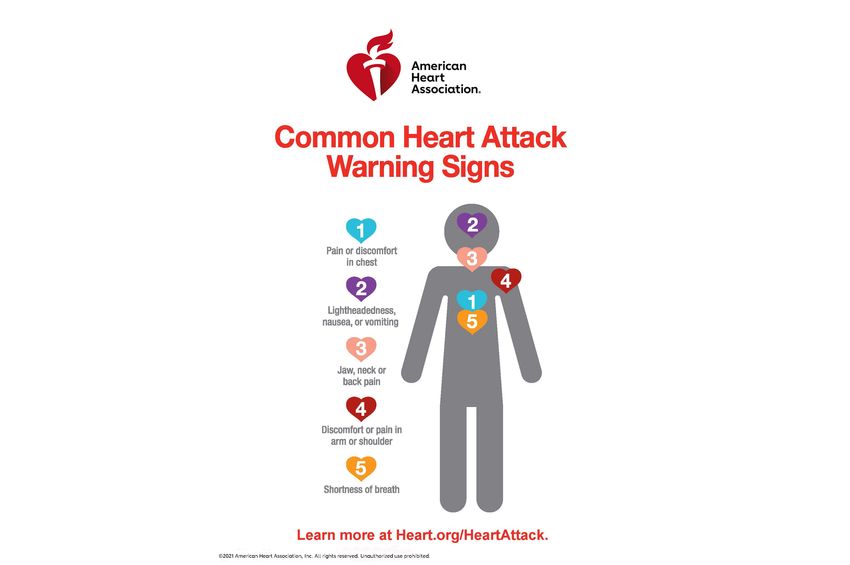
In addition to seeking immediate professional help, the AHA is championing the importance of public preparedness.
- The organization notes that most cardiac arrests occur outside of a hospital setting, often in homes or public places.
- The AHA strongly encourages the public to learn Hands-Only CPR, which involves chest compressions without rescue breaths. Quick action by a bystander can significantly improve the victim’s chance of survival until emergency services arrive.
While celebrating the holidays, be mindful of your heart health and do not hesitate to call 911 if you or someone you know exhibits symptoms of a heart attack.

