

INDIANA – Our children often look to us for answers. Sometimes, when it comes to mental health, we don’t know what to say or how to support them.
According to the 2024 KIDS COUNT Data Book, 35.7% of students in 7th-12th grade reported that in the past year, they felt so sad or hopeless for two or more weeks in a row that they stopped participating in their usual activities.
Additionally, 17.2% reported that in the past year they seriously considered attempting suicide, and 12.8% reported that in the past year they made a suicide plan.
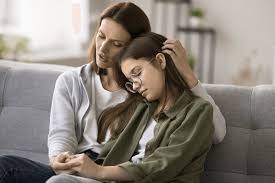
If your child is not directly affected by mental health issues, one of their friends or someone they know likely is. Mental health is a tough topic to talk about; however, the more we talk about it, the easier it becomes. When a friend is struggling, your child may feel confused, helpless, or even guilty. They may not know what to say to their friend and may look to you for help.

What can you say to your child to help support their friend? First, normalize mental health issues. Talking about mental health with your child can better educate them and provide them with important information. If you don’t know the answers, look up information from a reputable source together. Mental Health America (MHA) and the Substance Abuse and Mental Health Services Administration (SAMHSA) are great resources.
Second, remind your child that their friend is still their friend. Just like your child wouldn’t stop being a friend to someone diagnosed with diabetes, your child shouldn’t stop being friends with someone who has a mental health diagnosis. Remind your child that their friend is still the same person they were before. They should continue to include them in all activities and plans.
Third, encourage your child to check in on their friend. Give your child permission to come to you with any concerns they may have about their friend. Remind them that if anyone talks about suicide or self-harm, they should tell their parents or another trusted adult. Remember that a mental health disorder is not contagious. Your child will not “catch it” from someone else.
Lastly, if your child’s friend does attempt to harm themselves in any way, remind your child that it is not their fault. It’s ok to be sad and scared about what happened, but they are not responsible for anyone else’s actions, only their own. Comfort them and extend that compassion to their friend. Children watch how you react and respond to crises. You set the tone on how they handle mental health issues with others in the future.
If you or someone you know is thinking about suicide, please get in touch with 988 for the local Suicide and Crisis Lifeline or 911 for emergency responders.

Britney Wagler is a Youth First Mental Health Professional at Flaget Elementary School and Vincennes Rivet Middle/High School in Knox County, and Washington Catholic Elementary School and Washington Catholic Middle/High School in Daviess County. Youth First, Inc., is a nonprofit dedicated to strengthening youth and families. Youth First provides over 100 highly trained mental health professionals (primarily master’s level social workers), prevention programs, parent engagement coordinators, and bilingual support personnel to 130 schools across 14 Indiana counties. Over 55,000 youth and families are served each year by Youth First’s school-based social work and community programs that promote mental health, prevent substance misuse, and maximize student success. To learn more about Youth First, visit youthfirstinc.org or call 812-421-8336.

