

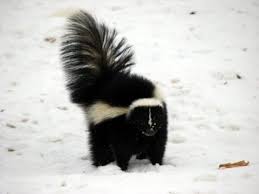
INDIANA — The Indiana Department of Natural Resources (DNR) is calling upon Hoosiers to become citizen scientists this December to help gather vital information about skunk habitat use across the state. Residents who spot a wild skunk are encouraged to snap a photo and submit their observation using the online biodiversity platform, iNaturalist.
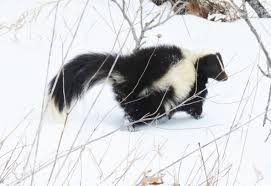
The DNR is particularly interested in increasing its knowledge base on where these common, yet under-mapped, creatures are living and moving. The initiative runs for the remainder of December, giving nature enthusiasts a unique opportunity to contribute to wildlife management efforts.
Participation is straightforward and relies on the user-friendly features of iNaturalist:
- Spot a Skunk: If you encounter a wild skunk in Indiana, safely take a photograph of the animal.
- Report the Sighting: Upload the photo and observation details to your iNaturalist account.
iNaturalist is a free, online social network that allows users to share biodiversity information, making it an excellent tool for real-time data collection. Observations can be uploaded from either a computer or a mobile device.
As a thank you for their efforts, the DNR is offering a fun incentive for top contributors:
The top five observers who submit the most verified skunk sightings by the end of December will receive a small skunk stress ball as a token of the DNR’s gratitude.
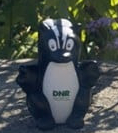
Winners will be contacted directly through the iNaturalist app shortly after the end of the month.
To assist the DNR in mapping these animals and to receive updates on other reported sightings, residents are encouraged to create a free iNaturalist account and uploading your observations of skunks from your computer or mobile device. Additionally, you can receive updates about skunk sightings in Indiana by joining DNR’s iNaturalist project here.
This initiative is a fantastic example of how public involvement can significantly enhance the state’s understanding of its wildlife populations. Every observation contributes to a clearer picture of skunk distribution, aiding the DNR in making informed conservation and management decisions.

