

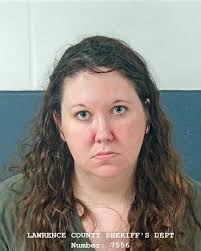
BEDFORD — The sentencing of Brittany Medina, the Mitchell woman who pleaded guilty but mentally ill to the drowning deaths of her two young children, was rejected by a Lawrence County judge this morning. She will now face a jury of her peers.
Medina, 35, was scheduled to be sentenced following her plea of guilty but mentally ill to two counts of neglect of a dependent resulting in death, both Level 1 felonies.
Following Judge Robert Cline’s rejection of the proposed plea agreement, the fate of Brittany Medina will now be determined by a jury. The trial is scheduled to begin on February 4, 2026.
Medina now faces two counts of murder and two counts of neglect of a dependent resulting in death.
The charges stem from the tragic September 2023 deaths of her three-year-old son, Jackson Shelton, and one-year-old daughter, Madelyn Shelton.

Medina’s plea acknowledged her guilt in the deaths of her children while maintaining she was suffering from a mental illness at the time of the offense.
Court reports detail the disturbing events of September 26, 2023. Medina admitted to authorities that prior to the incident, she had ingested a mix of illicit substances, including xanax, suboxone strips, and cocaine.
She recounted that around 2:30 p.m. that day, she began hearing voices. Medina claimed these voices urged her to “send her children to Heaven” or face torture. Fearing the alternative, Medina confessed to taking both Jackson and Madelyn into the bathroom of their home and holding them underwater in the bathtub until they stopped moving.
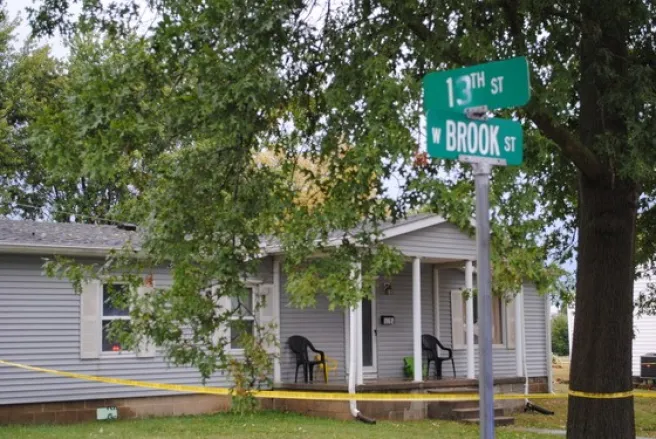
Immediately following the act, Medina reportedly drove herself to the Lawrence County Sheriff’s Department, where she confessed to an officer that she had drowned her children. The subsequent investigation led by Detective Michael Williams corroborated her account, leading to her arrest.
A plea of guilty but mentally ill in Indiana is a finding that allows a defendant to be sentenced in the same manner as a defendant found guilty of the offense, but requires that they be further evaluated and receive psychiatric treatment while incarcerated.

