

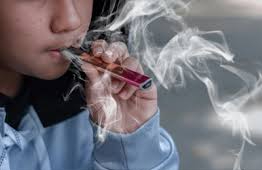
NATIONWIDE—A new report has revealed a growing crisis among young people, with teenage vaping rates tripling since 2021. Despite laws prohibiting the sale of e-cigarettes to those under 18, many parents are struggling to detect if their children are secretly using vapes.
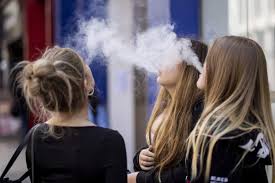
Based on the most recent data from the 2024 Indiana Youth Tobacco Survey (IYTS):
- Approximately 5% of Indiana high school students reported current (past 30-day) e-cigarette use.
- Approximately 15,000 high school students and 5,000 middle school students reported currently using e-cigarettes.
Overall, e-cigarettes remain the most commonly used tobacco product among Indiana youth.
Experts are now highlighting the clever concealment tactics being shared online, particularly on platforms like TikTok, to help parents identify potential hiding spots and signs of use.
Joe Tucker, COO of Provape, analyzed 50 TikTok videos detailing how to hide small items—a practice often used to conceal vapes—to uncover the most likely places children are stashing these products to avoid confiscation.
The Top 5 Teen Vape Hiding Spots
The analyzed videos showed teenagers sharing tips designed to help peers keep vapes out of sight from parents. The most common locations leverage unused space within a typical teenager’s bedroom:
| Rank | Location | Percentage of TikToks Mentioning |
| 1 | Inside or in between unused clothes (e.g., in hoodie pockets, rolled in jumpers, or buried between socks) | 40% |
| 2 | Inside the pillow or pillowcase | 28% |
| 3 | Inside pillow or pillowcase | 22% |
| 4 | Under, inside, or beneath drawers (frequently taped to the underside) | 20% |
| 5 | Under the mattress or within the bed frame (tucked between the mattress and frame slats) | 20% |
Other commonly mentioned spots included: inside stuffed toys (16%), inside shoes (18%), and even in unconventional locations such as hollow hairbrushes, empty skincare bottles, or taped behind a TV or a ceiling fan.
Decoding Online Code Words
Searching a child’s room is not recommended as a first step; instead, parents should be aware of online terminology that may signal vaping activity. To bypass social media censorship, sellers often disguise vapes as harmless products like lip gloss or sweets.
Parents should be alert to online terms and hashtags such as:
- #elfbundles, #puffbars, #geekbar, #elfbar: These are names used for popular vape products disguised as general hashtags.
- #discreetshipping, #hiddennic, #noID: These are red-flag tags used by sellers targeting minors.
Instead of directly accusing a child, parents can use a recent news story or a new report to start a natural conversation, asking the child for their thoughts on the issue.
- Be Non-Judgmental: Explain the health risks of vaping in a straightforward, non-confrontational way.
- Create a Supportive Environment: Showing care and sensitivity encourages open communication. Confiscating or banning vapes outright may lead to rebellion or distrust.
- Address the Root Cause: Focus on understanding why the child is vaping to guide them toward healthier choices, rather than simply enforcing a ban.
By fostering awareness and open dialogue, parents can better support their children in making informed decisions about vaping.

