

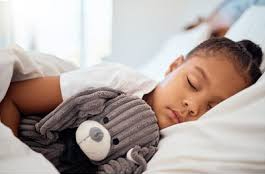
NATIONWIDE – As Respiratory Syncytial Virus (RSV) cases surge this fall and winter, new research is shedding light on the virus’s ability to severely sicken even previously healthy children. Experts are now urging all parents to strengthen their children’s immune defenses, starting with simple adjustments to their children’s sleep routines and environments.
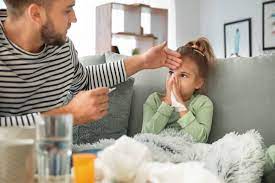
Recent findings from Karolinska Institutet indicate that RSV poses a broader threat than previously thought. The study revealed that nearly 12% of infected children developed severe symptoms, with many having no prior medical conditions putting them in a high-risk group.
Based on the most recent data available from the CDC and other surveillance sources for the week ending around mid-November 2025:
Respiratory illness activity in Indiana, including viruses like the flu, COVID-19, and RSV, is generally considered to be at a Low level based on the rate of people seeking health care for acute respiratory illness.
Nationally, the overall level of respiratory illness is currently Low. The seasonal pattern is showing increases, particularly in the Southern and Southeastern states, which typically see the virus earlier.
- National Trend: RSV is slowly increasing, with emergency department visits rising among children aged 0–4 years old.
- 2025-2026 Outlook: The CDC predicted that the combined peak of hospitalizations for the current season (COVID-19, Flu, and RSV) would likely be similar to the last season, but they noted the introduction of new RSV immunization products (for infants and older adults) in 2023 was expected to help reduce overall RSV hospitalizations.
Local health officials advise all individuals, especially those in high-risk categories, to remain vigilant as respiratory illnesses are seasonal and activity can change rapidly, particularly with the onset of colder weather.
The Hidden Link: Allergies and Weakened Defenses
One critical factor undermining a child’s resilience is the presence of allergies. According to experts, allergies occur when the immune system overreacts to common irritants such as dust mites or mold. This overreaction triggers chronic issues like inflammation, runny noses, and coughing, effectively chipping away at the body’s primary defenses.
Rosie Osmun, a Certified Sleep Science Coach at Eachnight.com, emphasizes the profound link between sleep quality and a robust immune response.
“Kids’ bodies do a surprising amount of immune work at night. When they’re well-rested and sleeping on clean, hypoallergenic bedding, their systems are better prepared to fight off what’s circulating in classrooms and play areas. Parents often underestimate how much nighttime allergies or congestion chip away at the immune response.”
Because allergic reactions vary, experts recommend a hypoallergenic sleep setup to ensure clearer nighttime breathing during the peak RSV season. This includes using mattresses and pillows labeled as “hypoallergenic,” “antimicrobial,” or “dust-mite resistant.”
Parents can immediately implement simple strategies to capitalize on the immune-boosting power of sleep:
- Move Bedtime Earlier: Add 20–30 minutes of extra sleep time. This slight increase can significantly boost daytime immune markers.
- Wash Bedding Weekly in Hot Water: This eliminates dust mites and allergens that irritate the airway and weaken defenses.
- Choose Hypoallergenic Materials: Look specifically for bedding, mattresses, and pillows labeled as “dust-mite resistant” and “antimicrobial.”
- Implement a Screen-Free Wind-Down: Removing screens helps protect natural melatonin levels, enabling children to fall asleep faster and ensuring deeper, restorative sleep.
- Keep Rooms Cool and Clean: While RSV thrives in colder months, an overly warm bedroom can exacerbate nighttime congestion, making it harder for the immune system to work effectively.
- Monitor Nighttime Symptoms: Sniffling or coughing at night could signal a persistent allergy issue that needs to be addressed, as it is a constant drag on the immune defense.
By focusing on a cleaner, better-rested sleep environment, parents can provide their children with a crucial, non-medical layer of protection as RSV activity ramps up.

