

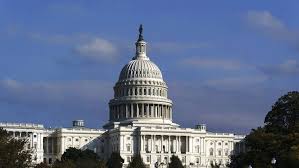
WASHINGTON, D.C. — President Donald Trump signed a bill on Wednesday compelling the Justice Department to release all of its files related to the convicted sex offender Jeffrey Epstein, a significant move toward transparency that has nonetheless been met with political controversy. The legislation gives the Justice Department 30 days to make the unclassified documents public.

The disgraced financier, who died in 2019 while awaiting trial on sex trafficking charges, had connections to numerous high-profile political and business figures. The bill’s signing follows months of intense pressure from a bipartisan coalition in Congress and public demand for a full accounting of the federal investigation.
President Trump announced his signing of the bill on social media, using the opportunity to frame the release as a pursuit of truth while simultaneously criticizing his political opponents.
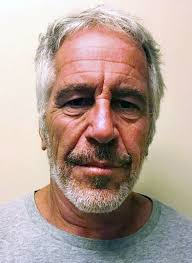
“Perhaps the truth about these Democrats, and their associations with Jeffrey Epstein, will soon be revealed, because I HAVE JUST SIGNED THE BILL TO RELEASE THE EPSTEIN FILES!”
The public messaging underscores the highly politicized nature of the files, which are anticipated to contain a wide array of investigative materials, including flight logs and communications regarding Epstein and his associate, Ghislaine Maxwell.
While the bill’s signing is seen as a victory for transparency advocates and survivors of Epstein’s abuse, concerns are mounting over how the Justice Department will execute the release. Lawmakers and analysts fear the administration may seek to slow the process or use extensive redactions to withhold potentially sensitive information.
- The legislation allows the Justice Department to redact identifying information of victims and material that could jeopardize active federal investigations.
- However, the bill specifically bars officials from withholding or redacting information based on “embarrassment, reputational harm, or political sensitivity, including to any government official, public figure, or foreign dignitary.”
Despite this clause, critics argue that the provision allowing the withholding of material related to “active federal investigations” could be broadly interpreted and used as a loophole to shield individuals named in the files. Attorney General Pam Bondi has publicly stated the department “will continue to follow the law with maximum transparency while protecting victims.”
The 30-day countdown for the Justice Department to release the files began on Wednesday, when the President signed.

