


INDIANA – In today’s busy world, families are often pulled in many directions with work, school, sports, and endless to-do lists. It’s easy to feel disconnected from one another, even while living under the same roof. One powerful way to strengthen connection and support mental well-being is through family traditions.

Family traditions are more than just routines. While routines are about efficiency and getting things done, traditions carry emotional meaning. They are recurring activities that foster a sense of belonging and stability, such as bedtime stories, Saturday morning pancakes, or weekly movie nights. These shared practices bond the family and send a message, “We are in this together.” Even the smallest traditions, like a goodnight phrase or a special handshake, can become treasured symbols of family love and unity.
Research shows that traditions benefit mental health in several ways. They provide comfort and predictability, which helps children feel secure in an unpredictable world. They strengthen relationships by giving families regular opportunities to connect, laugh, and share joy. Traditions also create a sense of identity and resilience, reminding children that they are part of something larger than themselves. For parents, traditions can reduce stress by offering intentional pauses from the rush of daily life and opportunities to slow down together.
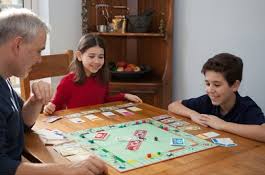
The best part is that traditions don’t need to be complicated or time-consuming. A gratitude check-in at dinner, reading a book together before bed, or a Sunday walk can all serve as powerful anchors. What matters most is consistency and the emotional connection attached to the tradition, not perfection. Families don’t need to compare their traditions to others; what matters is finding practices that feel natural and meaningful in your own home.
If your family doesn’t have many traditions yet, start small. Choose one activity you can realistically commit to and invite your children to help shape it. When kids take part in creating a tradition, they feel a sense of ownership and pride. Over time, these simple practices can become cherished memories and lasting sources of comfort. In moments of stress or uncertainty, it is often the smallest traditions that children remember most, the ones that remind them they are loved, secure, and connected.

Family traditions are powerful, not because they are elaborate, but because they are consistent, meaningful, and shared. In a fast-paced world, they serve as reminders to slow down, connect, and celebrate being together. Those moments of connection are not just pleasant; they are essential to the mental health and well-being of both children and parents.

Jordyn Bryant, MSW, LSW, is a Youth First Mental Health Professional at Stringtown Elementary School in Vanderburgh County. Youth First, Inc., is a nonprofit dedicated to strengthening youth and families. Youth First provides over 100 highly trained mental health professionals (primarily master’s level social workers), prevention programs, parent engagement coordinators, and bilingual support personnel to 130 schools across 14 Indiana counties. Over 55,000 youth and families are served each year by Youth First’s school-based social work and community programs that promote mental health, prevent substance misuse, and maximize student success. To learn more about Youth First, visit youthfirstinc.org or call 812-421-8336.