


INDIANA – The Indiana Family and Social Services Administration (FSSA) today announced a comprehensive set of recommendations from its Applied Behavior Analysis (ABA) Working Group, signaling a significant overhaul of the state’s Medicaid-funded autism therapy program aimed at protecting access, improving quality, and guaranteeing long-term financial sustainability.
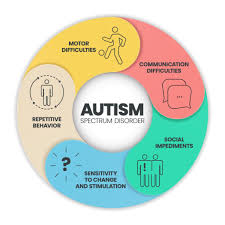
ABA therapy, a widely recognized, evidence-based treatment for children with autism spectrum disorder (ASD), has been life-changing for many Hoosier families. However, FSSA Secretary Mitch Roob and Deputy Secretary Eric Miller noted that the program’s management, since its 2015 inception, has led to an unsustainable surge in costs.
The Financial Crisis and Governor Braun’s Intervention
Medicaid spending on ABA therapy in Indiana skyrocketed from approximately $17 million annually in 2017 to $611 million by 2023—an increase of nearly 3,000% in just six years. This growth was fueled by a lack of oversight, leading to concerns about unsustainable costs, projected to reach $825 million by 2029 without reform.
A previous administration’s proposal to retroactively cap ABA therapy at three years would have removed half of the enrolled children by April 2025, leaving unprepared schools to absorb them. Governor Braun rejected this approach upon taking office, instead using an Executive Order to direct FSSA to form the ABA Working Group to develop a more thoughtful, less disruptive solution.

“This is Indiana choosing thoughtful reform over arbitrary cuts,” said Secretary Mitch Roob. “We are protecting children and preserving access to ABA therapy for the children and families who depend on it.”
Key Recommendations for Reform
The ABA Working Group, which included clinicians, educators, parents, providers, and legislators such as Representative Robb Greene, held listening sessions across the state and reviewed cost data, quality issues, and provider accountability from May to September 2025.
The resulting five interdependent recommendations focus on establishing a sustainable and high-quality program:
1. Align ABA Utilization with Clinical Evidence
- Flexible Service Limits: Implement service allocations up to 4,000 hours of comprehensive ABA per child, followed by targeted ABA therapy to manage long-term use.
- Caregiver Requirement: Mandate caregiver involvement to ensure ABA strategies are reinforced effectively in daily routines.
- Federal Compliance: Explicitly link the benefit to the EPSDT (Early and Periodic Screening, Diagnostic, and Treatment) federal Medicaid standard for children.
2. Ensure High-Quality Care and Optimal Outcomes
- Oversight: Establish precise BCBA-to-RBT supervision ratios and require accreditation for ABA therapy centers.
- Expansion: Implement a temporary moratorium on new sites while incentivizing providers to expand services into underserved, rural areas.
3. Establish Sustainable Rates
- Rate Adjustment: Adjust reimbursement rates for individual therapy to align spending within the agency’s appropriated budget.
- Group Therapy: Create rate modifiers to encourage group therapy when clinically appropriate.
- Incentives: Explore future quality incentive payments tied to measurable patient outcomes.
4. Strengthen Program Management and Oversight
- Dedicated Office: Create a dedicated ABA program office within FSSA to enhance supervision.
- Accountability: Strengthen auditing, documentation, and compliance monitoring to enforce provider accountability, particularly following a federal audit that identified $56.5 million in improper payments resulting from systemic documentation failures.
- Transitions: Improve cooperation with schools to establish effective transition planning and coordinated care.
5. Support a Sustainable Ecosystem
- Commercial Coverage: Strengthen the state’s third-party liability (TPL) tracking to ensure commercial insurers are billed for appropriate ABA costs, and encourage them to reimburse ABA therapy at rates above the Medicaid rate.
The FSSA confirmed the implementation phase is now beginning, with the agency coordinating closely with all stakeholders to ensure a smooth transition.

