

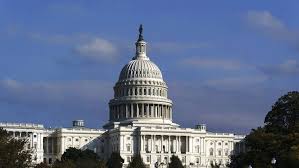
WASHINGTON, D.C. — The hopes for a swift resolution to the record-breaking 41-day government shutdown—fueled by reports of a bipartisan deal late Sunday—have dimmed as the Senate recessed without taking a definitive vote, leaving the air travel crisis and pay uncertainties for federal workers to continue into Monday.
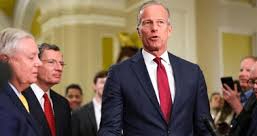
In a 60-40 vote on Sunday, eight Senate Democrats crossed party lines and reached a deal with Republicans to end the stalemate in exchange for a future vote on extending healthcare subsidies. Still, the path to ending the shutdown remains uncertain: any senator can delay consideration of the package for several days. The measure must then be approved by the Republican-controlled House of Representatives, where Speaker Mike Johnson has not committed to bringing it to a vote, before reaching President Donald Trump’s desk for his signature.
Despite Senate Majority Leader John Thune (R-S.D.) confirming that a potential compromise was “coming together,” the Senate adjourned late Sunday without a final agreement or a vote on the package, which aimed to reopen the government and address the looming expiration of key Affordable Care Act (ACA) subsidies.
The key to the compromise, a pledge to give Democrats a guaranteed vote in the Senate on extending the popular ACA premium tax credits, remains the central sticking point. Negotiations have centered on packaging this guarantee with:
- A short-term Continuing Resolution (CR) to fund the remainder of the government until January.
- Full-year funding bills for three departments with already-approved consensus spending (Veterans Affairs, Military Construction, and the Legislative Branch).
However, an earlier attempt by Democrats to include a one-year extension of the subsidies in the immediate funding bill was swiftly rejected by Republicans. The current impasse reflects deep mistrust; Democrats want a guaranteed result on healthcare affordability, while Republicans insist that negotiations on policy can only begin after the government is funded.
The failure to act on Sunday ensures the government shutdown will continue well into its seventh week, with the crisis impacting crucial services nationwide:
- Air Travel Chaos: The operational crisis at the FAA, driven by staffing shortages in air traffic control, is expected to persist, meaning travelers can anticipate further mass cancellations and delays on Monday, following the over 2,100 flight cancellations reported on Sunday.
- Worker Pay: Approximately 900,000 federal employees remain furloughed, and two million others, including air traffic controllers and TSA agents, are working without pay. The military is also facing the risk of missed paychecks.
- Essential Programs: Critical programs, including the Supplemental Nutrition Assistance Program (SNAP) and the Women, Infants, and Children (WIC) food assistance program, have faced funding disruptions, with states forced to use contingency dollars or issue partial benefits.
Though the House of Representatives passed a temporary funding measure earlier in the shutdown, the Senate has rejected it 14 times. House Speaker Mike Johnson (R-La.) has kept the House in recess, meaning that even if the Senate passes a deal on Monday, it cannot immediately become law until the House is recalled to vote.
The bipartisan group of senators involved in negotiations is expected to resume talks immediately on this Monday morning.