

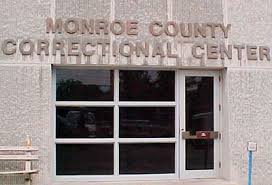
MONROE CO. — The controversial, multi-million-dollar plan for a new Monroe County jail and justice center has been put on hold indefinitely after the County Council voted unanimously against further funding for the project.
In a special meeting that lasted over seven hours and featured passionate public comment, all seven county councilors rejected a request for an additional $3 million appropriation intended to purchase the land for the proposed complex, which would have brought the total land cost to $11 million. Furthermore, the Council agreed to cease payments to the architectural firm contracted to design the project.
The decision is a blow to the Monroe County Sheriff’s Department, whose representatives expressed deep disappointment. Sheriff Marté has long emphasized the critical need for a new facility, citing not only mold issues but also the current jail’s outdated design, which creates challenges for day-to-day operations at the Charlotte Zietlow Justice Center in downtown Bloomington.
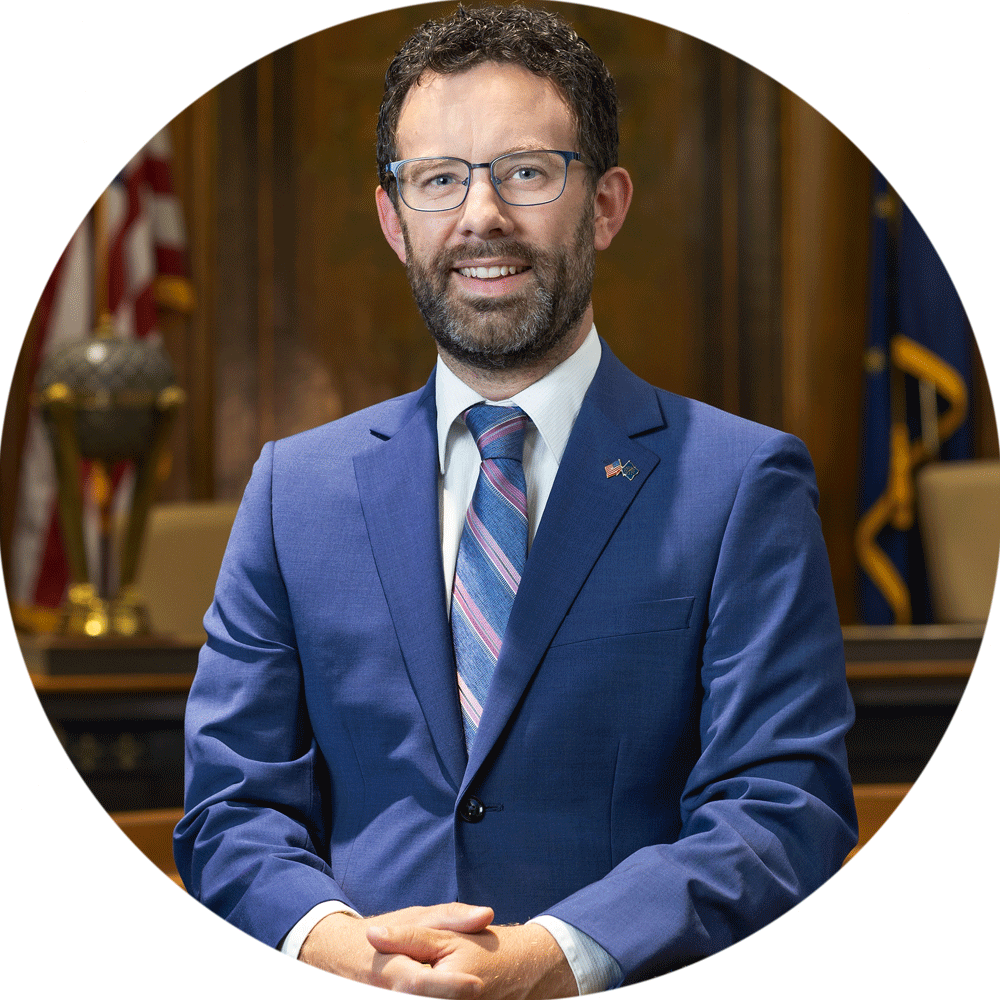
“Based on our conversations and a lawsuit with the ACLU, it does not allow for constitutional care for the inmates,” stated Council President Pro Tempore Peter Iverson, acknowledging the severity of the current jail’s shortcomings.
The proposed justice center, planned for a site off State Road 46 and Hunter Valley Road, would have been more than double the size of the current facility and would have carried an estimated price tag of approximately a quarter of a billion dollars.

Council members pointed to state legislation as the primary obstacle to funding the project. “It all goes back to Senate Bill 1,” said Council member Jennifer Crossley. “It all goes back to what our state lawmakers are forcing local government and municipalities to do, which is live within our means, and again, this project was not within our means.”

The proposed jail’s location also drew significant criticism. Bloomington City Council representative Sydney Zulich read a letter on behalf of the council, arguing that relocating the jail out of downtown would harm the local economy and limit access to vital services.
“The site’s location has no plans for public transportation and thus, low-income residents will be directly affected without alternative means of transportation,” Zulich stated.

Community activist groups celebrated the council’s vote. “We don’t need a new jail at all,” said Seth Mutchler, an organizer with Care Not Cages. “We should instead be prioritizing things like mental health care, substance use care, and affordable housing.”
Despite the significant setbacks at the current downtown facility—which Sheriff Ruben Marté summarized by asking councilors, “Do we really want to go back?”—the project, originally slated to begin construction in about a year, is now stalled.

Council members indicated they are now back at the drawing board, planning to explore alternatives, including shifting funds to services that could help address overcrowding at the downtown justice center, looking for another location that might be a better fit, and determining whether the current jail could be revamped.

