

WASHINGTON, D.C.—The U.S. Food and Drug Administration (FDA) announced significant policy changes on Wednesday aimed at accelerating the approval of biosimilars—the cheaper, “generic” alternatives to expensive biologic drugs—in a bid to lower health care costs for Americans significantly.
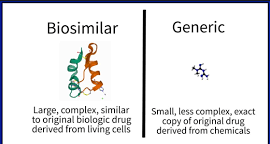
Biologic drugs, which treat complex illnesses like cancer and autoimmune diseases, account for over half of total U.S. drug spending despite making up only 5% of prescriptions.
The FDA’s new draft guidance proposes a significant reduction in the regulatory burden for manufacturers:
- Scrapping Clinical Trials: The new guidance generally proposes eliminating the requirement for extensive, comparative human clinical efficacy studies to prove a biosimilar is highly similar to its brand-name reference product. The agency has determined that advanced analytical testing is a more sensitive and efficient method.
- Faster, Cheaper Development: FDA Commissioner Dr. Marty Makary stated the move could cut the typical five-to-eight-year development timeline in half and save companies up to $100 million per product, encouraging more firms to enter the market.
- Streamlining Interchangeability: The agency also plans to eliminate unnecessary “switching studies” required for a biosimilar to be designated as “interchangeable,” a status that allows pharmacists to substitute it for the brand-name drug without a new prescription.

“By streamlining the biosimilar development process and helping advance interchangeability, we can achieve massive cost reductions for advanced treatments for cancer, autoimmune diseases, and rare disorders affecting millions of Americans,” Makary said.
Although biosimilars have been proven to be as safe and effective as their costly originator drugs, only 76 have been approved in the U.S. since 2015. Industry leaders welcomed the FDA’s action as a critical step toward increasing competition and addressing the soaring costs of advanced medicines.

