

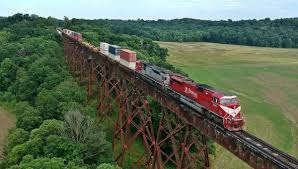
INDIANA— Short line railroads and rural communities across Indiana are set to benefit from a new state law designed to spur economic development and enhance rail infrastructure safety. House Enrolled Act 1461, passed by lawmakers in April, authorizes state tax credits for qualified rail expenditures.
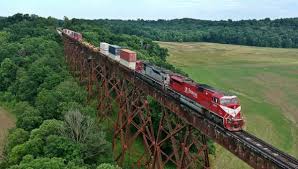
The law aims to help short-line railroads compete more effectively with other modes of freight transportation, such as publicly subsidized highways and waterways, by offsetting the cost of maintaining their privately owned tracks.
The legislation allows short line railroads and businesses investing in rail maintenance, track expansion, and new projects in rural counties with populations under 300,000 to receive up to 50% in state tax credits.
Two Major Credit Components
The new tax credit program is divided into two parts, totaling up to $14.5 million in tax credits annually:
- Existing Infrastructure Improvements: Provides a $3,500 tax credit per mile for existing rail infrastructure improvements, capped at $9.5 million each fiscal year. Adam Robillard, General Manager of Madison Railroad and Chairman of Railroads of Indiana (ROI), believes this will allow small railroads to shift resources from maintenance to growth capital and new business development.
- New Infrastructure Projects: Offers a tax credit of up to $500,000 per new track project, capped at $5 million each fiscal year. This incentive is critical because it encourages new investment, which the federal 45G tax credit does not cover.
Proponents argue that the tax credits will significantly improve safety and economic reliability by enhancing rail infrastructure —including reduced derailment rates and grade crossing improvements —and will strengthen customer relationships and confidence, and help smaller counties compete for industrial loads and development.
It has also added 52 jobs on the Indiana Rail Road in 2025 in areas like Greene and Vigo counties, demonstrating the law’s potential to create long-term, high-paying jobs.

