

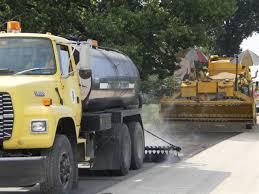
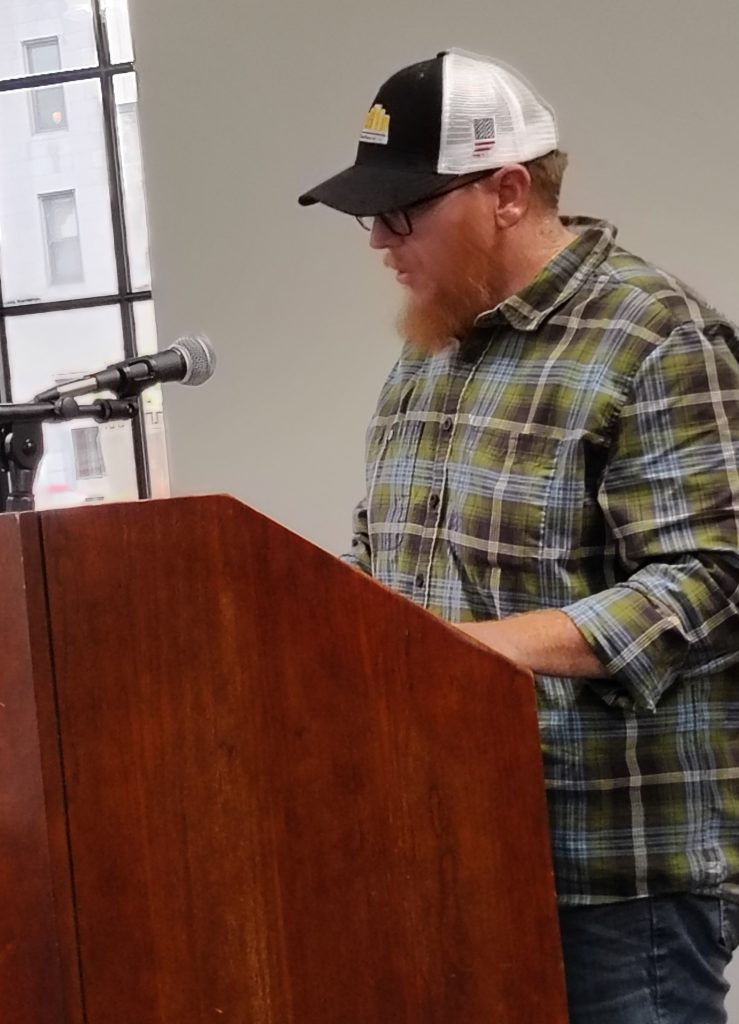
LAWRENCE CO.— Lawrence County Highway Superintendent Brian Sowder announced at the recent Commissioners meeting that crews are beginning the process of crack sealing county roads. Sowders reported that this action is a key component of the county’s pavement preservation strategy, which aims to extend the life of local infrastructure and prevent costly repairs.
Crack sealing is a proactive and cost-effective technique that helps maintain roads currently in fair condition, often adding several years to their service life.
Sowder explained that the process involves applying a new, waterproof surface to the existing road.
“Chip sealing is a less expensive and faster way to maintain roads than repaving,” Sowder stated. “It is done in the fall to prevent salt and sand from getting under the pavement, destroying the roads.”
The process:
- Apply Liquid Asphalt: A layer of liquid asphalt is sprayed onto the existing road surface.
- Apply Crushed Stone: Immediately afterward, a layer of crushed stone, or “chips,” is spread over the asphalt.
- Roll the Surface: The stone and asphalt are then compacted with rollers to create a new, bonded surface.
The primary purpose of the chip-sealing process is to combat the primary causes of road deterioration: water penetration and cracking.
- Waterproofing: The asphalt and stone layer seals existing cracks, preventing water from reaching and weakening the road’s base material. This is crucial for avoiding larger potholes.
- Pavement Preservation: By creating a new wearing surface, chip sealing delays the need for more expensive full resurfacing, providing a significant return on investment.
- Improved Safety: The new layer of crushed stone enhances both driver traction and the road’s reflectivity, making travel safer, especially in wet weather and at night.

