

WASHINGTON, D.C. – In a post on his social media platform, Truth Social, on Saturday night, President Donald Trump announced his intention to issue an executive order requiring voter identification for all U.S. elections.
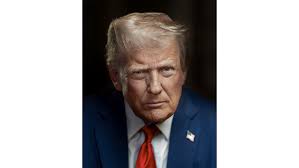
“Voter I.D. Must Be Part of Every Single Vote. NO EXCEPTIONS! I Will Be Doing An Executive Order To That End!!!” Trump wrote.
The president also stated he would restrict mail-in voting to only those who are “very ill” and “the faraway military.” He did not provide a timeline or further details on the order.
Legal and Constitutional Questions
Legal experts note that a president does not have the constitutional authority to regulate federal elections unilaterally. The U.S. Constitution grants the power to set the “times, places, and manner” of elections to state legislatures and Congress. Any executive order on this matter would likely face immediate legal challenges.
This is not the first time the Trump administration has sought to use an executive order to change election procedures. A previous order signed in March 2025, which required documentary proof of citizenship to register to vote, was largely blocked by federal courts, which cited it as an unconstitutional overreach of presidential power.
Currently, voter identification laws vary by state, with at least 36 states requiring some form of ID at the polls. Proponents of voter ID laws argue they prevent voter fraud. At the same time, opponents claim they disenfranchise millions of eligible voters, particularly minorities, the elderly, and those with disabilities who may not have the required identification.