

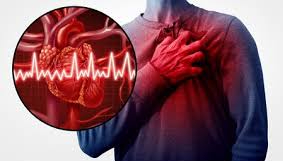
INDIANA – Despite the dramatic scenes in movies, a heart attack rarely follows a Hollywood script. According to the American Heart Association (AHA), cardiovascular disease (CVD) is the leading cause of death for both men and women in the U.S., claiming a life every 34 seconds. Yet, many people ignore the subtle and often confusing signs of a heart attack, mistaking them for something else.
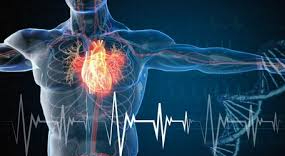
More than 80% of cardiovascular deaths are caused by heart attacks and strokes, with one-third of these deaths occurring prematurely. Recognizing the symptoms—especially the less obvious ones—is a crucial step in preventing a sudden, life-threatening episode.
The Silent Signs
A recent paper from the University of Texas at Arlington, titled “Heart attacks don’t follow a Hollywood script,” highlights that many patients don’t experience a sharp, stabbing pain in their chest. Instead, symptoms can be complex and mild.
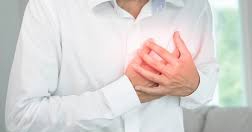
According to health officials, the signs are more subtle. Patients often describe a feeling of oppressive discomfort and a heavy sense that they don’t call “pain,” most often located in the center of the chest. This discomfort can feel like squeezing, pressure, or fullness – They don’t feel “quite right”.
The feeling can also extend to other areas of the body above the waist, including the left side of the chest, neck, throat, lower jaw, shoulders, and upper arms. This sensation can last for several minutes or come and go.
More Symptoms to Look For
In addition to chest discomfort, other symptoms can be easy to overlook, including:
- A cold sweat
- Nausea
- Indigestion or heartburn
- Shortness of breath
- “Feeling poorly” in a way that can’t be explained
These types of symptoms are far more common in older people, especially women, who tend to have heart attacks later in life than men. As a result, they may mistake their symptoms for a common illness or a gastrointestinal issue.
Don’t Wait—Get Help
The Centers for Disease Control and Prevention (CDC) estimates that half of all Americans are at a heightened risk for a heart attack. This is because they have at least one of the three key risk factors: high blood pressure, high blood cholesterol, or smoking.

While you can’t control factors like age or family history, you can reduce your risk by quitting smoking, eating a healthy diet, maintaining a healthy weight, and managing underlying health conditions.
If you are concerned that you might be having a heart attack, it’s crucial to seek medical attention immediately. You can’t evaluate these symptoms on your own. Diagnostic tests, such as an electrocardiogram (EKG) and blood tests, are required to determine if you are having a cardiac event.
If you suspect you may be experiencing symptoms of a heart attack, contact a medical professional, go to an emergency room, or call 911 immediately.

