


BLOOMINGTON – As Indiana anticipates several days of soaring temperatures, health officials are emphasizing the serious dangers associated with extreme heat. High temperatures can quickly become more than just uncomfortable; they can become life-threatening.

“Heat-related issues like heat exhaustion and heat stroke are concerns our Emergency services teams have top-of-mind during times like this,” said Drew Watters, MD, an IU Health Bloomington Emergency Medicine physician. Dr. Watters highlighted that vulnerable populations, including those who work outdoors, lack air conditioning at home, or are unable to cool down at night, face an increased risk. He also noted that certain medical conditions and medications, such as cardiovascular disease, blood pressure medications, and diuretics, can heighten an individual’s susceptibility to heat illnesses.
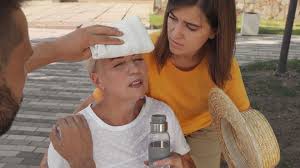
“But really, anyone can experience heat exhaustion or have heat stroke, so taking proper precautions is key during times of high temperatures,” Watters stressed. “Paying close attention to young children is particularly important since they are less able to communicate physical symptoms or understand that something is wrong.”
To stay safe during periods of high temperatures, Dr. Watters recommends the following precautions for both adults and children:
- Stay hydrated with plenty of water.
- Limit outdoor activity, and try to keep it to the early hours or very late in the day.
- If you don’t have air conditioning, consider visiting a location that does, such as a public library, shopping mall, or a public cooling station.
- Wear light, loose clothing.
- Recognize the signs of heat exhaustion and heat stroke so you can take prompt action.
Dr. Watters explained that “dizziness, nausea, headaches, thirst, and weakness are some signs you should move to a cool location, rest, and drink some cool water.” For children, additional signs to watch for include “fever, difficulty walking, vomiting, tiredness, and tight muscles.” Medical help should be sought if symptoms persist or worsen after the individual has consumed cool water, moved to a cool area, and rested.
It is crucial to act quickly if an individual shows signs of heat stroke, which include confusion, not sweating or having stopped sweating, seizures, altered mental status, dizziness, or loss of consciousness.
“Time to cooling is the biggest predictor for death or brain damage,” said Watters. “If someone is overheated and confused, call 911 immediately and cool them in any way possible. Shade, ice packs, cold towels—whatever you can do.”