

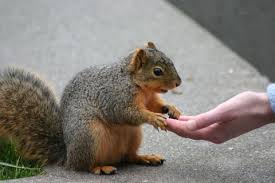
INDIANA– The Indiana Department of Natural Resources (DNR) is urging the public to resist the urge to feed wild animals, emphasizing that, despite good intentions, this practice can be detrimental to the health and behavior of wildlife.
Feeding animals like geese bread or deer corn can lead to dependency on humans for food, disrupt their natural foraging behaviors, increase aggression among animals, and facilitate the spread of diseases. Furthermore, many human foods are considered “junk food” for wildlife and can cause severe medical conditions.
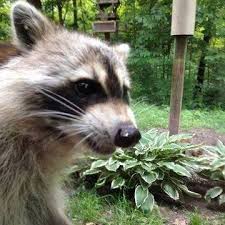
Instead of providing supplemental food, the DNR suggests cultivating natural food sources in your landscape, such as native grasses, wildflowers, and nut-bearing trees. If space is limited, residents are encouraged to visit DNR properties to observe wildlife from a safe distance.
The DNR clarified that it does not provide removal or capture services for problem wildlife. If wildlife is causing damage or posing a threat, individuals should contact a qualified Wildlife or Waterfowl Control Operator, who sets their rates.
For general inquiries, the Division of Fish & Wildlife can be reached at 317-232-4200 or via email at dfw@dnr.IN.gov. Questions about permits can be directed to the DNR Permit Coordinator at 317-232-4102 or wildlifepermits@dnr.IN.gov.
Guidance for Problem Wildlife:
- Dead Animals: The DNR does not remove dead animals. For roadkill on state/federal highways, contact the Indiana Department of Transportation. For local streets, please get in touch with your local public works department. For private property, contact a wildlife control operator or dispose of the animal yourself using gloves and double-bagging for trash disposal. Other options include burial, incineration, rendering, and composting.
- Small Mammals (Beaver, Fox, Opossum, Raccoon, Skunk, Squirrels, etc.): Landowners or tenants can legally capture these species without a permit if they are causing damage or a threat. Written permission is required if another person is designated to take the animal, and no compensation can be exchanged. Captured animals must be released within 24 hours on land in the county of capture, with the landowner’s permission, or euthanized.
- Rabbits: Can only be taken during the legal rabbit season with a hunting license, unless a nuisance wild animal control permit is obtained for out-of-season trapping or shooting.
- Coyotes: Landowners may take coyotes year-round on their private property by trapping or shooting without a permit or license. Written permission from the landowner is required to take coyotes on their property, but a valid hunting or trapping license is necessary if the activity occurs outside the regulated season. Local ordinances for firearms must be followed.
- Bats: The best way to prevent bats from entering a home is through consistent home maintenance. If bats must be removed from a dwelling, eviction is recommended in spring or autumn using one-way exclusion devices. An individual can take up to five bats in 24 hours without a permit if they pose a non-immediate threat to human safety, but must report any bats taken to the sick or dead wildlife reporting tool and have any bites tested for rabies. For larger evictions, a permit or a license from a wildlife control operator is required.
- Other Small Mammals (Groundhogs, Mice, Moles, Rats, Shrews, Voles, Red Squirrels): Can be captured or killed year-round without a permit or license, with no limits on numbers, provided local ordinances are followed.
- Birds (Brewer’s Blackbirds, Red-winged Blackbirds, Brown-headed Cowbirds, Crows, Common Grackles): Can be taken without a permit if causing or about to cause depredations or constitute a health hazard/nuisance under federal law. Local ordinances for firearms must be checked.
- Birds (Monk Parakeets, Rock Pigeons, House Sparrows, European Starlings): Can be taken without a permit at any time, subject to local ordinances.
- Mute Swans: A resident landowner or tenant can legally capture a mute swan on their property if it’s causing damage or a threat. Captured swans must be released or euthanized within 24 hours of capture. A permit may be needed if mute swans are residents of a community or lake association.
For more information, please visit the DNR website.

